feature · 20152h 37mCA
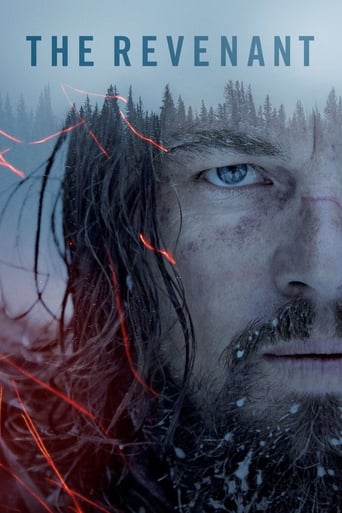
The Revenant
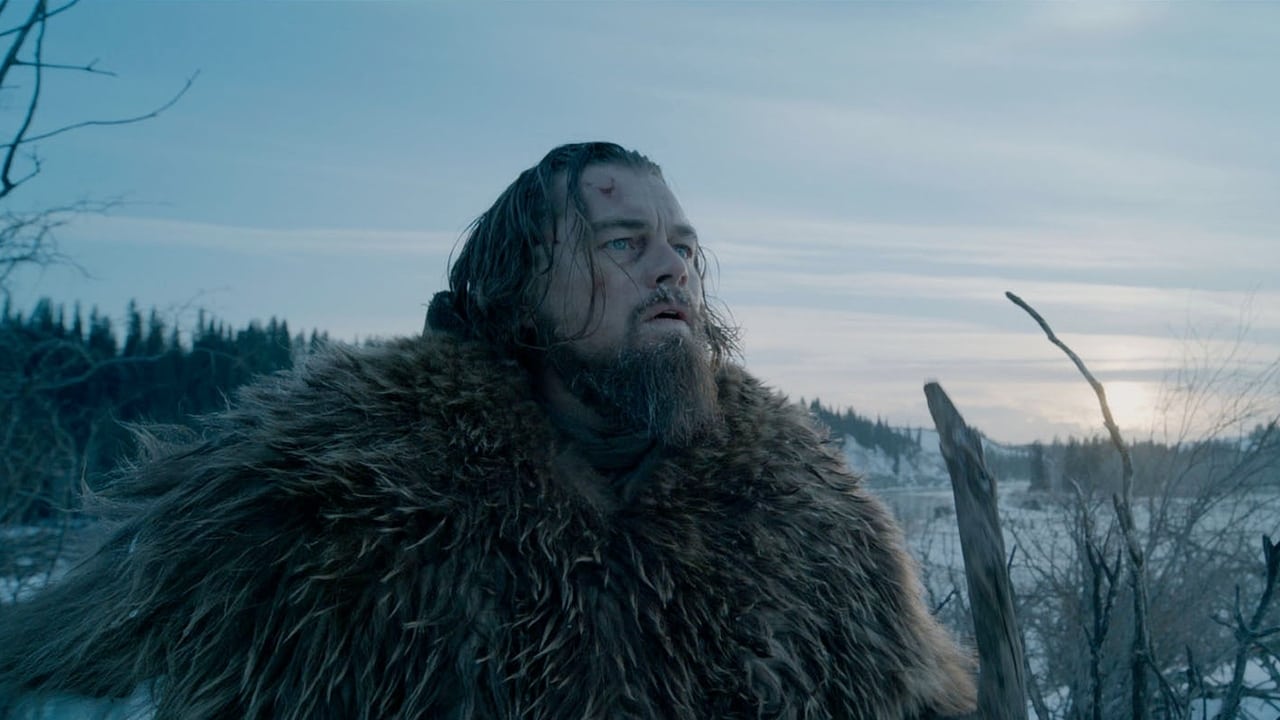
In the 1820s, a frontiersman, Hugh Glass, sets out on a path of vengeance against those who left him for dead after a bear mauling.
At a glance
- Director
- Alejandro González Iñárritu
- Cinematography
- Emmanuel Lubezki
- Editor
- Stephen Mirrione
- Music
- Ryuichi Sakamoto
- Costume
- Jacqueline West
- Primary camera
- ARRI ALEXA 652 scenes
- Primary lens
- Panavision Sphero 50mm T2.3
- Format
- 2.39:1 · ARRIRAW ALEXA 65Theatrical
- Photographed
- Oct 2014 – Aug 2015
- Locations
- British Columbia
Production
Studios
- 20th Century Foxdistributor
- Anonymous Contentproduction company
- Appian Way Productionsproduction company
- M Productionsco production
- New Regency Productionsproduction company
- RatPac-Dune Entertainmentfinancier
- Searchlight Picturesdistributor
Department
Camera
- Emmanuel LubezkiDirector of Photographyprimary
- Ian R. C. LevineSecond Assistant Cameraprimary
- John T. ConnorFirst Assistant Cameraprimary
- P. Scott SakamotoCamera Operatorprimary
- Alex MartinezFirst Assistant Camera
- Gregor TavennerFirst Assistant Camera
- Preston CookSecond Assistant Camera
- Spiro GrantSecond Assistant Camera
- Todd SchlopyFirst Assistant Camera
Department
Grip
Post-Production
Visual Effects
Locations
Shooting locations
Kananaskis Country
Sun plannerAlberta · Canada · 50.626, -115.062
Alberta Rockies block — horseback cliff-fall, Pawnee camp, mountain-pursuit sequences. The Bow Valley provided the alpine vista coverage; second-unit ran continuously under second-unit DP Manuel Alberto Claro.
- Civil dawn
- 13:09 UTC
- Sunrise
- 13:41 UTC
- Magic-hour AM
- 13:41 UTC → 14:25 UTC
- Magic-hour PM
- 00:36 UTC → 01:20 UTC
- Sunset
- 01:20 UTC
- Civil dusk
- 01:53 UTC
Libby, Montana
Sun plannerMontana · United States · 48.388, -115.556
Montana exterior block — Kootenai National Forest stood in for various Glass-pursuit beats and the Henry-fort exteriors.
- Civil dawn
- 13:11 UTC
- Sunrise
- 13:42 UTC
Lighting
Per-scene setups · 4 across 4 scenes
Per-scene lighting plots: fixture role (key / fill / back / practical), color temperature, diffusion stack, and motivation notes from cited supervisor interviews.
Opening — Arikara raid on the trapper camp
Continuous-take shooting at dawn over multiple consecutive mornings to maintain the cold-grey winter palette. Lubezki moved the Steadicam between three or four pieces of action per take without cutting; the natural light was the lighting plot — no movie fixtures.
Squamish Valley, BC — production schedule rotated the bulk of camp-attack coverage to early morning so the trapper-tent silhouettes read against the just-rising sun. Practical fire arrows + practical body-falls into pre-dressed snow.
Pawnee camp — Glass meets Hikuc
Glass + Hikuc's overnight shelter scene: the entire arc is lit by practical fire-light only, with a tarp shelter providing soft directional baffle. Lubezki shot at base-ISO 800 for the cleanest signal, with the fire spilling onto both faces. No electric supplements.
Iñárritu's no-electric rule applied even to night-interior beats. The fire was a controlled propane-fed firepit gag pre-tested for repeat-take consistency; Hikuc + Glass's coverage came across 6 takes per beat to manage the fire's natural variance.
Frozen river — Glass's solo crossing
Color
Pipeline
Camera color science → IDT → working space → ODT → deliverable. Production-wide default first; scenes that diverge below.
- Camera logLogC3
- Camera gamutARRI Wide Gamut
- IDTACES IDT.ARRI.LogC3.EI800
- Working spaceACEScct
Stunts
Curated set-pieces · 2
Sequence-level rigging detail — pole-cats, decelerators, picture-car modifications, named coordinators, and the SAG-AFTRA / BSR safety bulletins observed on set. Click through for the full breakdown.
Grizzly bear attack — practical/digital handoff
5.0 minDetail →The five-minute continuous-take grizzly bear attack — DiCaprio performed against a stand-in actor in a rough motion-capture suit; ILM's photoreal CG bear was animation-blocked to the stand-in's motion. The choreography combined practical impact + body-roll work by stunt double Mark Mottram with ILM's digital bear handoff in compositing.
FightMocapVfx-HandoffCreatureHorseback cliff-edge fall
1.5 minDetail →Glass rides his horse off a 50-foot tree-lined cliff edge and lands in a pine grove below. Practical horse-fall stunt + pine-cushion landing rig + ILM CG horse for the in-air mid-flight beats. Stunt rider performed the take-off; Mark Mottram doubled DiCaprio for the on-ground aftermath.
Stunts
4 crew
The stunt department on this production: credited crew, actor-double pairings, and the companies whose members brought them onto the show. Click any name to jump to their full filmography + doubling history.
Post-production
Lab & finishing
- Technicolordi — Steven J. Scott colorist on Autodesk Lustre with Christie 4220 4K projector. Won the 2016 HPA Award for Outstanding Color Grading.
- Technicolorcolor grading — Scott + Charles Bunnag, Michael Hatzer, Ntana Key — the Technicolor finishing team. Cold-grey winter palette pulled across the film with warm fire-light as the only chromatic relief.
- Skywalker Soundsound mix — Sound mix at Skywalker. Ryuichi Sakamoto + Carsten Nicolai (Alva Noto) + Bryce Dessner score; the score blends ambient electronic with cellular cello drones.
Score
Composer & cues
- Ryuichi Sakamotoat Composed remotely while Sakamoto was undergoing cancer treatment
Sakamoto returned to film scoring for this after a years-long hiatus during cancer treatment. The three-composer approach was unusual; controversial Globe nomination exclusion (deemed ineligible) drew industry attention.
Production
Videos


Production
Scenes & Equipment
British Columbia
British Columbia
Related
Similar productions
Ranked by overlap of director, cinematographer, genre, and decade.
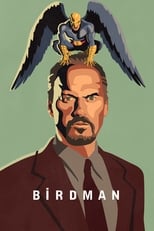
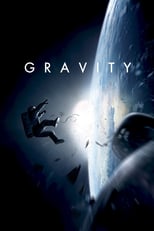
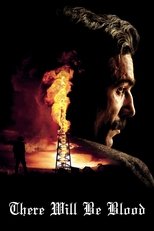
Related
Thematically similar
By embedding cosine-similarity — surfaces films with comparable subject matter and tone, regardless of whether crew credits overlap.
Provenance
Sources
- [1]Emmanuel Lubezki, ASC, AMC on Natural Light in The RevenantprimaryAmerican Cinematographer · 2016-01-01
- [2]Iñárritu and Lubezki on the natural-light philosophy of The RevenantsecondaryVanity Fair · 2015-12-01